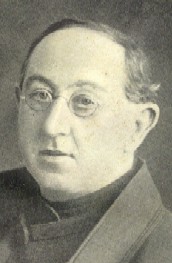
OBITUARY Very Rev. Fr. Sebastian, (Slean), C.P. THE Irish Province of the Passionists has suffered an immeasurable loss in the death of Very Rev. Fr. Sebastian of the Immaculate Conception, which took place on Sunday, September 5th, after a brief illness. Born in Dungannon, Co. Tyrone, on April 21st, 1867, Felix Slean entered the Passionist Congregation when he was twenty-one years of age, taking the name of Sebastian of the Immaculate Conception. He made his religious profession on St. Patrick’s Day, 1889, and was ordained at St. Anne’s Retreat, Sutton, Lancs, on September 8th, 1894. His great strength of character was immediately recognised by his election as Master of Novices, in 1896, a charge usually entrusted to a priest of mature years and wide spiritual experience. From that date onwards he was hardly ever free from the cares of office. On the expiry of his six years as Master of Novices in 1902, he was appointed Pro-Provincial of the Passionist Retreats in Australia. where he remained until 1908. Returning home he was elected Rector of Mount Argus (1908-14), Second Consultor (1914 – 20), Rector of Ardoyne (1920 – 23), again Mount Argus (1923-26). On the erection of the new Irish Province of St. Patrick in 1927, he was appointed Provincial, and held that office until 1935. This was undoubtedly the crowning work of his great career, for it is impossible to overestimate the value of his labours in those formative years, so critical in the evolution of a new Province. This work was recognised by Most Rev. Fr. General, who, when the time came when Fr. Sebastian might legitimately seek some rest from his life-long labour for the Congregation, bestowed upon him the honorary title of Provincial Consultor. The bare recital of his official posts does scant justice to the indefatigable labours of Fr. Sebastian. In 1913 he organised the famous “Ovada Bazaar” at the R.D.S. Grounds, Ballsbridge, to liquidate the debt which for many years had encumbered Mount Argus. During his Belfast Rectorship, the reign of terror and the pogrom of Catholics reached its height. The Ardoyne district became a danger zone; in the parish many lives were lost and much property destroyed; volleys of rifle-fire were discharged into the monastery grounds, and the church itself threatened with destruction. In those anxious days Fr. Sebastian was a tower of strength. The church services were carried out as usual. His courage and. example were of immense assistance to the sorely tried parish. As first Provincial of the Irish Province, Fr. Sebastian had another heavy task. Again he did not flinch from the burden. By example even more than by precept, he went before all in the observances of Rule and in Passionist spirit and vocation. To his exertions was due the foundation of the new Retreat at Drommohr, Musselburgh, Scotland, to which the name was given Retreat. of the Immaculate Conception. His interest extended to every Passionist activity – the missions and retreats, the courses of study, the regulation and improvement of the monasteries, the financial affairs of the Province. But his primary interest was always in the spiritual progress of his subjects, and to this all else was subordinated. Thoroughness and attention to detail were characteristic of all his undertakings. He never read a book without taking copious notes in small neat script. This practice he continued to the very end of his life, remarking with humble frankness: “I’m not too old to learn.” Although inclined to severity in his earlier years, he was scrupulously just; he could be kindly and sympathetic when need arose, and he was absolutely without human respect. If he thought anything was amiss he would not hesitate to call the attention of the Rector to it with the same imperturbable demeanour that he would use to correct a young laybrother. He was the enemy of slip-shod methods and would rarely excuse carelessness; straightforward and direct in all his dealings with others, he expected the same directness in return. His personal spiritual life was both simple and profound. At times of prayer, his habitual air of recollection became more marked. To the last day of his life, he celebrated the Holy Sacrifice at an early hour, following his habitual custom. Although for some years past he had not been in the best of health, he would seek no dispensation but. continued that scrupulous attention to the regular observance that had distinguished him from the beginning. With his death there comes a deep sense of personal loss; but his courage and his example will be remembered as an inspiration by those amongst whom he worked and lived. We shall not soon see his like again. May he enjoy the reward of his labours. R.I.P. (The Cross, Vol. XXXIV, 1943-1944; p. 113) OBITUARY: Very Rev. Fr. SEBASTIAN of the Immaculate Conception, C.P. In the death of Very Reverend Father Sebastian of the Immaculate Conception which occurred on Sunday, September 5th. after a very brief illness, the Province of St. Patrick has sustained an immeasurable loss. Born in Dungannon, Co. Tyrone, on April 21st. 1867, Felix Slean entered the Passionist Congregation when he was twenty-one years of age, taking the name of Sebastian of the Immaculate Conception. He made his religious profession at St. Saviour’s Retreat, Broadway, on St. Patrick’s Day, 1889, and was ordained at St. Anne’s Retreat, Sutton, Lancs. On September 8th. 1894. His great strength of character was almost immediately recognised by his election as Master of novices in 1896, less than two years after his ordination. This important office is usually entrusted to a priest of mature years and wide spiritual experience – the choice of Father Sebastian is an eloquent tribute to the high esteem with which his superiors regarded him. Indeed, from that date onwards for more than forty years he was hardly ever free from the cares of office. On the expiry of his six years as Master of Novices in 1902, he was nominated Pro-Provincial of the Passionist Retreats in Australia where he remained until 1908. Returning home he was successively elected Rector of Mount Argus (1908-1914), Second Provincial Consultor (1914-1920), Rector of Ardoyne (1920-23), again Rector of Mount Argus (1923-26) and in 1926 First Provincial Consultor. On the erection of the new Province of St. Patrick in 1927, Fr. Sebastian was appointed Provincial, and re-elected for two further terms – he held that office until 1935. This was undoubtedly the crowing work of his great career. It is impossible to over-estimate the value of his prudent guidance in those formative years, so critical in the establishment and the evolution of a new Province. His firmness of character, his wide experience, his intimate acquaintance with the ancient traditions and customs of the Congregation, his truly Passionist spirit rendered him especially fit for this delicate and onerous duty. His work was recognised by Most Rev. Father General, who, when the time came when Fr. Sebastian might legitimately seek some rest from his life-long labour for the Congregation, bestowed upon him the honorary title of Provincial Consultor. The bare recital of his official posts does scant justice to the indefatigable labours of Fr. Sebastian. In 1913 he organised the famous “Ovada Bazaar” at the Royal Dublin Society’s Grounds, Ballsbridge, to liquidate the debt which for many years had encumbered Mount Argus Retreat. During his Belfast Rectorship the reign of terror and the pogrom of Catholics reached its height. The Ardoyne district became a danger zone; in the parish many lives were lost, the monastery grounds were swept by volleys of rifle-fire, one of the postulants being severely wounded; the church itself was threatened with destruction. In those anxious days Fr. Sebastian was a tower of strength. The church services were carried on without interruption, and his courage and example were of immense assistance to the sorely-tried parish. As first Provincial of the Irish Province Fr. Sebastian had another heavy task – but again he did not flinch from the burden. By his own example even more than by word or precept he went before all in the observances of Rule and in Passionist spirit and vocation. His paternal interest extended to every activity of his subjects – the missions and retreats, the courses of study, the regulation and the improvement of the monasteries, the financial affairs of the new Province. But his primary interest was always in the spiritual progress of the religious, and to this all else was subordinated. To his exertion was due also the foundation of a new Retreat at Drum-mohr, Musselburgh, Scotland, to which the name was given Retreat of the Immaculate Conception. The first to recognise his own limitations Fr. Sebastian in his later years did not engage much in missionary work, to which indeed his rather ponderous style of preaching did not lend itself. As a confessor, however, he showed unsuspected depths of sympathy and understanding, and many have good cause to remember him with gratitude and affection. Thoroughness and attention to detail were characteristic of all his undertakings. He was the enemy of slip-shod methods, and would rarely excuse carelessness. Straightforward and direct in all his dealing with others, he expected the same directness in return. He would respect an honest opinion, even when it differed from his own, but a discussion usually closed with his final word: “I think otherwise”. In granting permissions that he deemed reasonable and necessary, he was both generous and considerate; but should he find the request inopportune or groundless, his refusal was usually expressed with the comment: “I see no necessity for it.” Although perhaps inclined to excessive severity in his earlier life, he mellowed with the passing of the years, and he was always just. Absolutely without human respect, he fulfilled whatever his duty required of him regardless of consequences. Should he deem anything amiss, he would not hesitate to call the attention of a Rector to it with the same imperturbable demeanour that he would use to correct a young lay-brother. An ideal superior in the best Passionist tradition, he was the soul of exactitude and never required from another anything that he did not first fulfil himself. Over and above the common Horarium of the Passionist life, he had a fixed time for every duty of the day, and rarely would he deviate from this self-imposed time-table. Methodical to the last degree, he abhorred waste of any kind, and especially waste of time. He never read a book without taking copious notes in a small, neat script, and this practice, which he always recommended to students, he continued to the very end of his life, remarking with humble frankness: “I’m not too old to learn”. Similarly, he accumulated quantities of newspaper clippings, to which he could refer on occasion to throw new light upon a subject or to settle some disputed question. In the retirement of his cell he was never idle; always would he be found with a book in his hands, garnering the wisdom of others to supplement his own wide experience. His personal spiritual life was both simple and profound. At times of prayer his habitual air of recollection became more marked. To the last day of his life he celebrated the Holy Sacrifice at the early hour, following his habitual custom. Although for some years past, Fr. Sebastian had visibly been in failing health, he would seek no dispensation but continued that scrupulous attention to the regular observance that had distinguished him from the beginning. The end came quickly and with mercy. On Saturday morning he enjoyed his usual health, but towards evening he collapsed. He was speedily removed to hospital, but it was obvious that little could be done for him. The Last Sacraments were administered on Sunday morning, and early in the afternoon, he peacefully passed away. With his death there comes a deep sense of personal loss; but his courage and his example will long be remembered as an inspiration by his brethren in religion. We shall not soon see his like again. May God bestow upon him the reward of his labours, the crown of glory promised to the faithful and diligent servant. Requiescat in pace. Signed: Gerald of the S. Heart. Provincial.