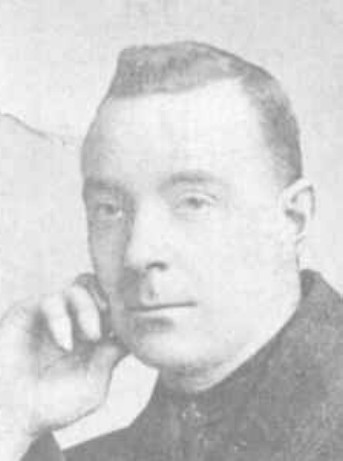
Father Hubert too, has splendid deeds and no mean record to glorify and perpetuate his name. Like Father Joseph, he was known to be possessed of great abilities and talents while still young. He was very few years a priest when he was appointed Vice-Rector of St. Joseph’s Retreat, Highgate, London – a charge usually entrusted to men of maturer years. In this, one of the principal houses of the Anglo Hibernian Province of the Passionists, his task was no sinecure, and its duties gathered weight from the fact that the then Rector was necessarily absent on important business regarding one of the other Retreats for a portion of his term of office. Father Hubert was, however, equal to the call thus made upon him as a young Superior. Then followed the crowning work of this worthy priest’s career – his Rectorship of Holy Cross Retreat, Ardoyne, Belfast. It was in this sphere pre-eminently that he proved his worth, his ability and his successfulness. Respected by the diocesan clergy, revered by his community, beloved by the people, he made this beautiful Retreat a pattern of perfection. Many and extensive improvements were needed, and they saw fulfilment. Even to the present day the name of Father Hubert is a household word, not only in the parish of Ardoyne, but among countless Belfast Catholics – and among even non-Catholics too. Few there are who forget his wide-famed courses of lectures delivered in Ardoyne. Three distinct times was he appointed Rector; and during the period covered by these years so full of labours, he achieved great and glorious fame. In more recent years, Father Hubert has been visited with imperfect health, and on this account the ceaseless energies in which he was wont to spend himself so devotedly have had to be minimised. But his passion for work is well known; and, thank God, his ability for less strenuous occupations has never forsaken him. He has ever taken a deep interest in, and made a special study of our ancient Irish illuminated manuscripts: and his attachment to work of this kind has made him a skilled and accomplished artist. It is well to recall that his beautiful and faultless drawing of “The Dead Christ” in delicate Celtic design stands framed in the Central Hall of the National Museum – a testimony to his artistic workmanship. Although now well known to all our readers, it would be unpardonable to omit that to Father Hubert we are indebted for the very pleasing Celtic design on the cover of The Cross. From far and near we have heard it praised, and we are proud to acknowledge it as his work and gift. As a confessor, there are few more loved and sought after, and many must acknowledge him as a trusty guide, a wise counsellor and a faithful friend His love for little children is proverbial; and in this tender trait is there not something deeply Christ-like? Other qualities, rare and precious, adorn the personality of Father Hubert; and while, on this joyous epoch in his life, we wish him health and length of years, we likewise pray upon him the choicest blessings of the Master Whose work he has done and still does so well. (From the Cross, Vol. XIV, 1923-24; pp. 73f.) Rev. Fr. Hubert 0N Whit Monday, May 13th, 1940, a well-known figure was removed from our midst when Rev. Father Hubert (CARRUTH), C.P., passed peacefully to his eternal reward. For many years he had been an invalid, supporting his increasing infirmity with indomitable courage and patient resignation; he knew that only death could release him from his pain, yet he faced the inevitable end with the same calm fortitude that had sustained him throughout his life. Known in the world as James Carruth, the late Fr. Hubert was born at Carrickfergus, Co. Antrim on November 7th, 1869. He became a convert to the Catholic Faith at the age of seventeen; and it was a great happiness to him that his example was followed by his father, the late Mr. Walter Carruth, J.P., and other members of his family. One of his sisters is now a Nun in the Order of the Good Shepherd. His increasing fervour inclined him towards the religious state, and at the age of twenty-three he sought admission to the Passionist Congregation. He was professed at St. Saviour’s Retreat, Broadway, Worcs., taking as his religious name, Hubert of St. Mary Magdalen, for all through his life he cherished a very special devotion to this penitent-saint. After the usual course of studies he was raised to the priesthood by Most Rev. Dr. Walsh, Archbishop of Dublin, on June 4th, 1898. Whilst still a young religious, Fr. Hubert was known to be possessed of great talents; and this manifest ability was recognised when shortly after ordination he was appointed Vice-Rector of St. Joseph’s Retreat, Highgate, London – a charge usually entrusted to men of maturer years. Then followed what was undoubtedly the crowning work of his career, his Rectorship of Holy Cross Retreat, Ardoyne, Belfast, an office which he held for nine years (1905-1914). It was in this sphere pre-eminently that he proved his worth and his conspicuous ability. Respected by the diocesan clergy, revered by his community, beloved by the people, he made this beautiful Retreat a pattern of perfection. Many and extensive improvements were needed, and they all saw fulfilment. Even to the present day the name of Fr. Hubert is a household word, not only in the parish of Ardoyne, but amongst countless Belfast Catholics. His courses of lectures on controversial topics, a work for which he was especially fitted, attracted enormous congregations and gained widespread attention. It was also at this time that Fr. Hubert became famed as a confessor. Few priests in Belfast were more loved and sought after, and many souls found in him a trusty guide, a wise counsellor and a faithful friend. His duties as Rector allowed him little time to conduct Missions and Retreats; but his natural talent as a preacher made him particularly suited for this, distinctively Passionist work. His activity was curtailed by a rheumatic complaint, which soon developed to such an extent as to cripple him. Nevertheless, though confined to the house, the ceaseless energies in which he was wont to spend himself were not thereby lessened. His passion for work found congenial scope in literary labour. To the pages of The Cross he was a tireless contributor, whilst devotional booklets from his pen gained a widespread circulation. For a hobby he devoted himself to a special study of ancient Irish illuminated manuscripts; and his attachment to work of this kind made him a skilled and accomplished artist. His. faultless drawing of “The Dead Christ” in delicate Celtic design was long exhibited in the Central Hall of the National Museum – a striking testimony to his artistic workmanship. On fine summer evenings his sole recreation was to sit in his invalid chair in the grounds of the Retreat, usually surrounded by a group of children to whom he distributed little medals and pictures. His love for little children was proverbial, and in this tender trait was there not something deeply Christlike? They rejoiced his heart with their innocent chatter, and provided a distraction in the midst of his pain. In spite of the most devoted and unremitting attention, it became obvious that he was fighting a losing battle. Day by day, with grim determination, he fought his infirmity. Through sleepless nights of pain his prayers and his aspirations were almost incessant, until at last Divine Mercy judged him worthy to receive the crown of eternal glory. (The Cross, Vol. XXXI, 1940-41; p.71) Father Hubert of Saint Mary Magdalen On Monday, 13th. May 1940 at St. Paul’s Retreat, Mount Argus, Dublin, Father Hubert of Saint Mary Magdalen passed peacefully into eternity. For many years past he had been an invalid, confined to his cell by a painful rheumatic infirmity which made his last months a veritable martyrdom. Although he knew full well that only death could bring him relief from his malady, he fought the insidious course of the disease with dogged determination until failing strength rendered him unable to continue the unequal struggle. A native of Carrickfergus, Co. Antrim, James Carruth was born on November 7th. 1869 and became a convert to the Catholic faith at the age of seventeen. To his great joy this step was followed by other members of his family, including his father, Mr. Walter Carruth, J. P. and his sister who is now a nun in the Order of the Good Shepherd. The increasing fervour of his spiritual life soon gave birth to a religious vocation. At the age of twenty-three he entered the novitiate of the Passionist Congregation at St. Saviours Retreat, Broadway, Worcs., taking as his religious name, Hubert of St. Mary Magdalen, a Saint towards whom he cherished a life-long devotion. After his profession in 1893, he followed the usual course of studies and was raised to the priesthood by Most Rev. Dr. Walsh, Archbishop of Dublin, on June 4th. 1898. Whilst still a young religious, his abilities were noted by his Superiors who soon showed a remarkable trust in his talents by appointing him Vice-Rector of the important retreat of St. Joseph’s, Highgate, London. This charge is usually entrusted to men of more mature years, but Fr. Hubert soon proved that their confidence was not misplaced. The task was no sinecure, for the then Rector was necessarily absent on important business regarding one of the other Retreats for a portion of his term of office. Fr. Hubert was fully equal to the call thus made upon him as a young Superior. At the Provincial Chapter held in 1905, he was elected Rector of Holy Cross Retreat, Ardoyne, Belfast, an office which he held for three successive terms until 1914. These nine crowded years formed in a sense the crowning work of his career, for it was in this sphere pre-eminently that he proved his ability and his sterling worth. Esteemed by the diocesan clergy, revered by his community, beloved by the people, he made of this beautiful Retreat a pattern of perfection. Many and extensive improvements were needed, and they all saw fulfilment. The old Church was taken down, and the site in front of the retreat was converted into a terraced lawn with a circular drive. Stained glass windows and marble altars were added to the church and are lasting memorials of the artistic taste and discrimination of Fr. Hubert. At the same time he found time to deliver special courses of Lectures upon controversial subjects which attained an enormous popularity. Notable amongst them was a series of Lectures on “Purgatory” which attracted hearers from every quarter of Belfast. Even to the present day the name of Fr. Hubert is still a household word, not only in the parish of Ardoyne, but amongst countless Catholics throughout the North of Ireland. His energetic spirit constantly sought fresh fields upon which to exercise its zeal. As a confessor he was much sought after, and many found in him a trusty guide, a wise counsellor and a faithful friend. On missions and retreats he achieved a notable success,, his fine presence and his rhetorical gifts rendering him especially suited to this distinctively Passionist apostolate. He also found opportunity at this time to make a Pilgrimage to the Holy Land, and his spirit of fervour renewed itself by personal acquaintance with the scenes of the Life and Passion of Our Lord. In sermons and Lectures of a later date he made good use of his experiences, and with vivid and colourful words he skilfully depicted the background of the Gospel narrative. It was about this time that the first symptoms of his painful malady began to manifest themselves. He contracted rheumathroid arthritis of a most distressing kind, and soon was forced to forsake more active work and remain within the confines of the Retreat. His passion for work did not desert him and afforded him some solace in his retirement. For a hobby he devoted his attention to ancient Irish illuminated manuscripts, and he soon became a skilled and accomplished artist. His beautiful drawing of ‘The Dead Christ” in delicate Celtic design was long exhibited in the Main Hall of the National Museum. Fr. Hubert also devoted himself to literary work with pronounced success. To the pages of “The Cross” he was a tireless contributor; whilst many devotional booklets from his pen attained widespread circulation. He supported his increasing infirmity with incredible fortitude; when he could no longer walk as far as the table, he had himself carried there, and grasping the pen between bandaged fingers be grimly refused to acknowledge defeat. In his later years his sole recreation was to sit in his invalid chair in the grounds of the Retreat on a summer’s day, when he was usually to be seen surrounded by a group of children to whom he distributed pictures and medals Indeed his love for children was proverbial; in their innocent chatter he found solace and forgetfulness from the pain that racked his limbs. And in this tender trait is there not something deeply Christ-like – a reflection of the master’s care for the little ones of the flock. Although no word on the subject ever passed his lips, there can be no doubt that Fr. Hubert keenly felt the inactivity to which he had been reduced by his infirmity; and by his devotion to work he gave edification and example to every member of the community. As a spiritual director his aid was ever at the disposal of his brethren; his prudent counsel and wise direction helped many in their progress towards virtue and perfection. No matter at what time of the day any of the religious came to his cell, with an utter forgetfulness of self he placed himself entirely at the service of all. Day by day it became evident that his sufferings were increasing, until it became a commonplace to say that “Fr. Hubert was having his Purgatory in this life”. Throughout the sleepless and pain-racked nights he could often be heard repeating aspirations and ejaculations, calling upon Our Lord to give him strength to bear his sufferings. In spite of the most unremitting care and patient attention his strength began obviously to fail. On the Saturday before his death the infirmarian judged it prudent that the Last Sacraments should be administered. The end came peacefully in the afternoon. After the prayers for the dying had been recited by the assembled religious Fr. Hubert peacefully breathed his last. The Divine Mercy had put a term to his sufferings, and a good and faithful servant of the Lord entered into possession of the crown of everlasting life. May his good soul enjoy eternal rest. Gerald of the Sacred Heart of Jesus, Rector.